

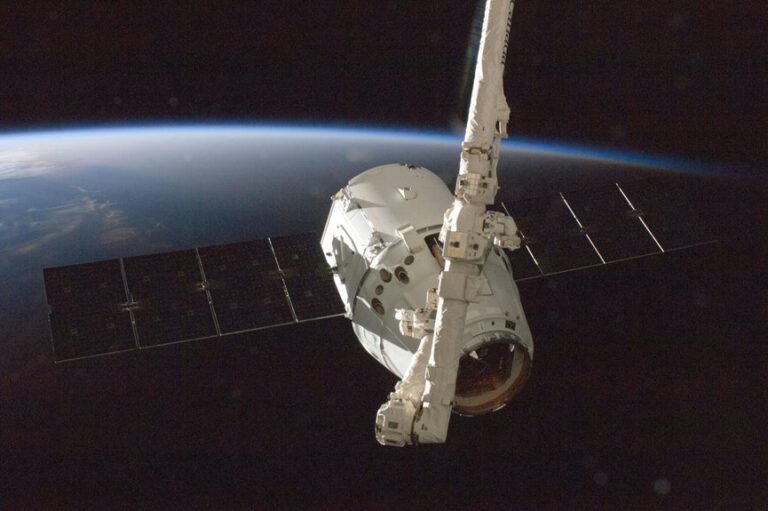
Nova Beam 915036490 Tech Orbit examines a propulsion concept within the Nova Beam framework, focusing on interference patterns and trajectory modulation. The analysis emphasizes measurable, repeatable phenomena and robust data to inform control strategies. It avoids speculative claims while detailing how phased emissions influence course stability and exit from traditional baselines. The discussion points to real-world deployment considerations and iterative refinements, leaving open questions about optimization and implementation that warrant further scrutiny.
What Is Nova Beam 915036490 Tech Orbit?
Nova Beam 915036490 Tech Orbit refers to a specific propulsion-related concept within the broader Nova Beam ecosystem, characterized by its unique interference patterns and trajectory modulation.
This mechanism, analyzed dispassionately, explains how phased emissions influence course and stability, enabling controlled exit from conventional baselines.
Nova beam, tech orbit, operates with measurable parameters, emphasizing predictability, reproducibility, and freedom in propulsion research without unnecessary speculation.
How Modular Batteries Redefine Field Power and Uptime
Modular batteries redefine field power and uptime by enabling scalable energy storage and rapid, on-site reconfiguration. The approach emphasizes modular capacity over monolithic systems, allowing tailored configurations to match demand.
This flexibility directly influences field uptime, minimizing maintenance gaps and extension opportunities. Operators gain resilience through plug-and-play modules, strengthening reliability while reducing downtime and total cost of ownership.
Interoperability and Adaptive Control: Real-Time Optimization
Interoperability and adaptive control enable real-time optimization across heterogeneous energy devices and platforms.
The discussion centers on interoperability challenges, where divergent protocols and standards impede seamless coordination.
Adaptive control strategies govern dynamic responses, balancing power flows and efficiency.
Real time optimization emerges from closed-loop sensing and predictive modeling, aligning resources with demand, ensuring robust performance while maintaining safety, reliability, and scalability.
Use Cases and Buying Considerations for Engineers and Makers
Engineers and makers evaluating Nova Beam 915036490 Tech Orbit should focus on practical use cases and cost considerations that align with project goals and resource constraints. The assessment emphasizes scalability, reliability, and lifecycle costs, enabling informed procurement decisions.
Modern energy demands and modular resilience underpin value; compatibility, support, and upgrade paths shape long-term adoption in diverse, freedom-oriented engineering contexts.
Conclusion
In conclusion, Nova Beam 915036490 Tech Orbit presents a disciplined study of interference-driven trajectory modulation, grounding claims in measurable, reproducible data. As modular power and adaptive controls converge, performance appears predictable within defined baselines, inviting rigorous validation. The system’s trajectory stability evokes a distant constellation—a remembered pattern guiding iterative refinement rather than bold leaps. For engineers and makers, the takeaway is clear: controlled observables, disciplined methodology, and incremental optimization illuminate a chartable path through orbital control challenges.